
Nerd Shirts: More Than Just a Fashion Statement
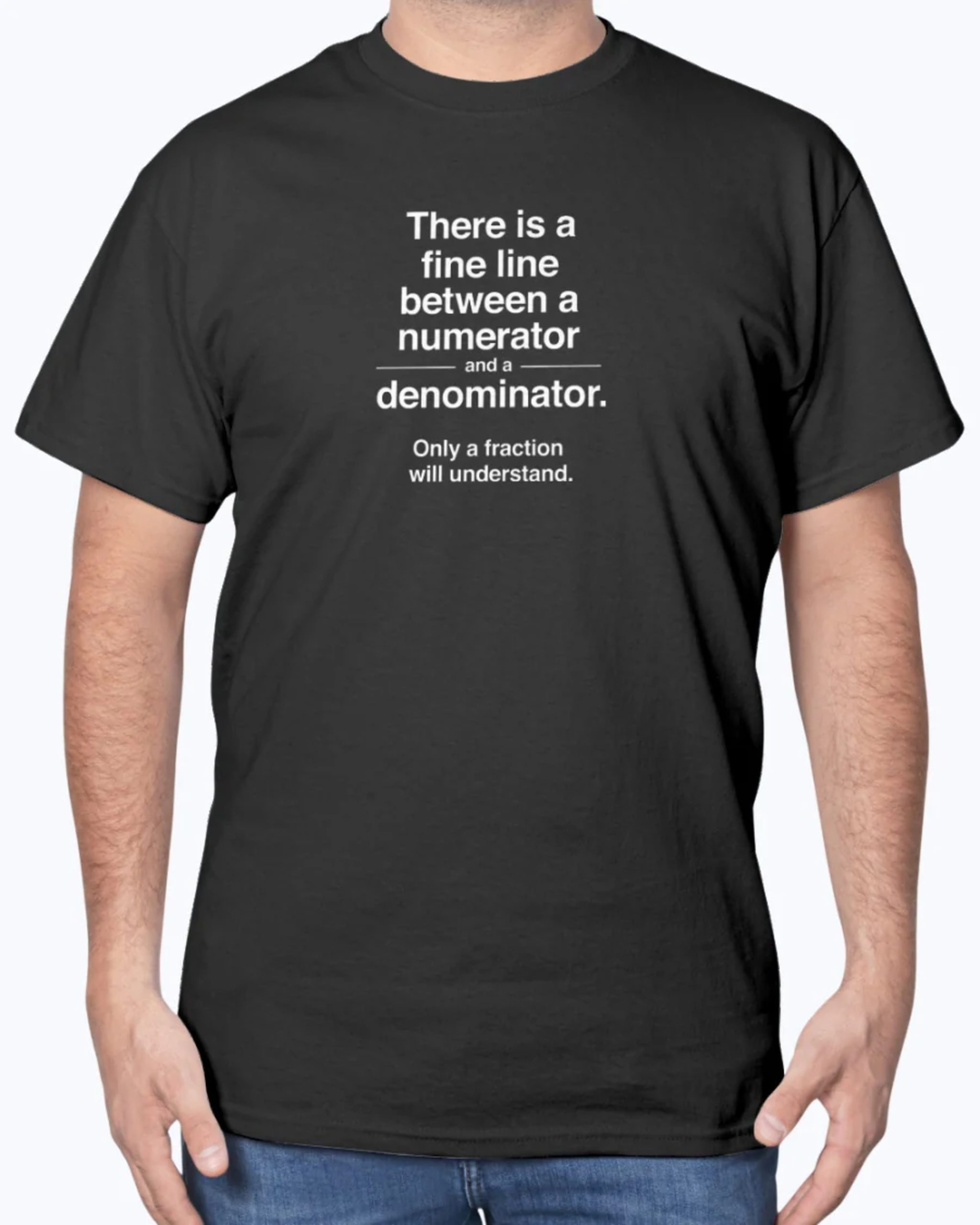
For years, fashion has often been associated with mainstream culture, catwalk trends, and glossy magazines. Yet, one corner of style has carved out a niche for itself in a unique and authentic way: nerd shirts. These shirts—often adorned with references to science, technology, gaming, comics, and pop culture—are no longer just novelty items. They’ve become a cultural movement that celebrates individuality, passion, and identity. Geek tees designed for conventions and cosplay events help you stand out while staying comfortable.
The Evolution of Nerd Culture in Fashion
Once upon a time, nerd culture was hidden away in basements, comic shops, and LAN parties. Those who wore shirts with Star Wars logos or pixelated graphics of retro video games were often seen as outsiders. The term “nerd” itself was associated with being socially awkward or unfashionable.
Fast forward to today, and the narrative has completely shifted. Superhero movies dominate the box office, gaming tournaments fill stadiums, and comic conventions attract millions worldwide. What was once niche is now celebrated mainstream culture. Nerd shirts have followed that same trajectory. They’ve gone from being a subtle signal of belonging to a small community to becoming fashionable attire embraced by everyone from tech entrepreneurs to Hollywood celebrities.
A Canvas for Personal Identity
At their core, nerd shirts are more than just clothing—they’re declarations of identity. Each shirt tells a story, signaling what someone values, admires, or obsesses over. A chemistry enthusiast might wear a shirt featuring the periodic table arranged into a witty phrase. A programmer might sport one filled with inside jokes about debugging or code syntax. A gamer may proudly showcase their allegiance to a particular franchise, whether that’s Pokémon, Zelda, or Minecraft.
Unlike mass-produced fashion trends that often lack meaning, nerd shirts give wearers the opportunity to share a piece of themselves with the world. They serve as instant icebreakers, sparking conversations between strangers who share the same passion. One person’s “I paused my game to be here” shirt might earn a knowing nod from another gamer who instantly relates.
Humor Meets Intelligence
One of the defining traits of nerd shirts is their clever use of humor. From puns that only make sense to those with specific knowledge to mash-ups of seemingly unrelated fandoms, these designs often require the audience to “get the joke.”
A shirt might read “May the Mass x Acceleration Be With You,” blending physics with a Star Wars reference. Another could depict Schrödinger’s cat alive and dead in a single image. These kinds of shirts invite curiosity and reward shared knowledge, making them both fun and intellectually stimulating.
The humor embedded in nerd shirts allows people to showcase not only what they love but also how they think. It’s wit stitched into fabric, turning fashion into an extension of intellect.
The Rise of Collectible and Limited Edition Shirts
As nerd shirts grew in popularity, brands and independent artists began creating collectible editions. Limited runs of shirts featuring specific comic book anniversaries, gaming milestones, or science puns quickly became must-haves for enthusiasts. These shirts are not just clothing but also memorabilia.
Some fans treat them like collectors’ items, carefully preserving shirts from conventions, Kickstarter campaigns, or collaborations with popular franchises. In this sense, nerd shirts operate much like trading cards or rare comic books: they gain sentimental and even financial value over time.
From Casual Wear to Everyday Fashion
While nerd shirts began as casual attire—something you’d wear to a comic con, a dorm room gaming session, or a late-night coding marathon—they’ve gradually made their way into everyday wardrobes. Pairing a clever graphic tee with a blazer has become a stylish yet approachable look, blending professionalism with personality.
In creative industries especially, nerd shirts are embraced as part of work culture. A designer might wear a shirt referencing Adobe tools, while a data analyst could sport one with a chart joke. Even in the world of tech startups, where the stereotypical “hoodie and tee” wardrobe reigns supreme, nerd shirts add an extra layer of personality and authenticity.
Nerd Shirts as a Celebration of Inclusivity
One of the most beautiful aspects of nerd shirts is that they cross boundaries. Age, gender, and background don’t matter when it comes to embracing fandoms. Kids proudly wear shirts with their favorite superheroes, while adults wear ones celebrating the same heroes they loved decades ago.
The designs speak to different niches as well, from math lovers and comic readers to cosplayers and gamers. By wearing a nerd shirt, people celebrate shared passions while also embracing the diversity of nerd culture. It’s a unifying symbol that connects communities around the globe.
The Future of Nerd Shirts
Looking ahead, nerd shirts are only going to grow in significance. With the rise of customizable printing and on-demand fashion, individuals can design shirts tailored exactly to their passions, no matter how specific. Imagine wearing a shirt with an inside joke from your favorite indie game, or one that merges your love of astrophysics with your favorite anime.
Sustainability will also play a role. Many brands are already shifting toward eco-friendly fabrics and ethical production methods, ensuring that nerd culture continues to thrive without harming the planet.
As new fandoms emerge, so will new designs. From AI-themed jokes to VR-inspired graphics, nerd shirts will evolve alongside technology and entertainment, continuing to reflect the ever-expanding world of geek culture.
Nerd shirts are no longer just novelty fashion. They’re statements of pride, humor, and belonging. They’ve grown from quiet symbols of niche communities to mainstream emblems of culture and creativity. Every shirt carries a piece of the wearer’s personality, whether it’s a math pun, a superhero logo, or a gaming reference.
Wearing a nerd shirt isn’t just about style—it’s about identity. It says, “This is who I am, this is what I love, and I’m proud to show it.” And in a world where self-expression matters more than ever, that’s a fashion trend worth celebrating.
Read MoreDiscovering the Best Buffet in Bangkok: A Culinary Adventure
Bangkok, the vibrant capital of Thailand, is a city that tantalizes all the senses. From the bustling street markets to the serene temples, every corner of Bangkok tells a story. But for food lovers, Bangkok is nothing short of a paradise, especially when it comes to buffets. Whether you’re a local or a traveler seeking an unforgettable dining experience, finding the best buffet in Bangkok is like discovering a treasure trove of flavors. Best buffet in bangkok offers everything from fresh seafood and grilled meats to international cuisine and decadent desserts.
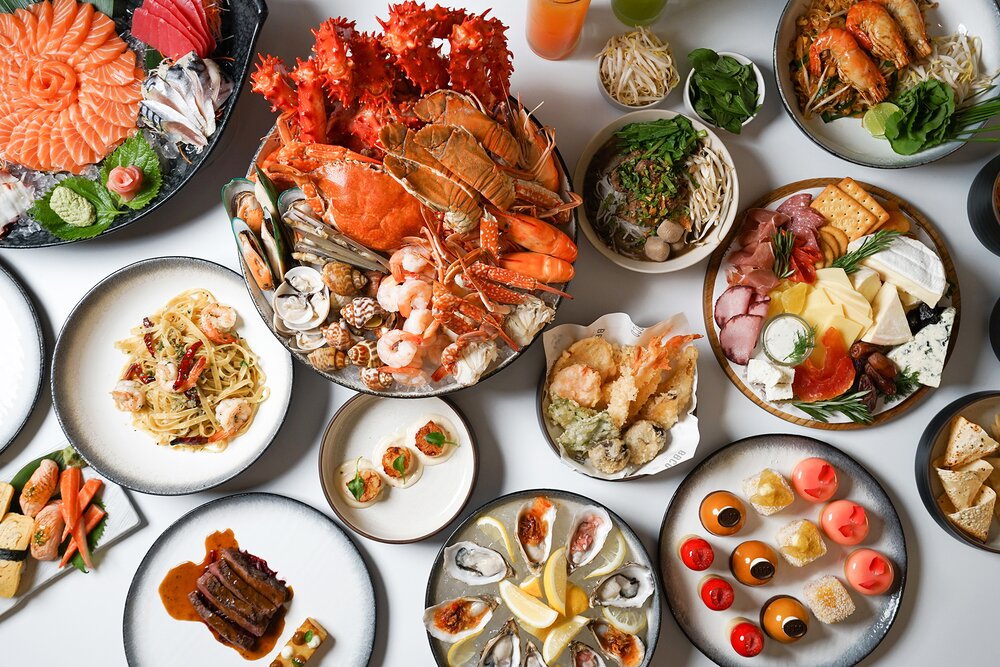
Buffets in Bangkok, often referred to as buffet BKK, have become increasingly popular over the years. The city’s cosmopolitan nature and love for food mean that hotels, restaurants, and even some specialized eateries compete to offer the most luxurious and diverse buffet experiences. From traditional Thai delicacies to international cuisines, these buffets cater to every palate, ensuring that your gastronomic journey is nothing short of spectacular.
Why Bangkok’s Buffets Stand Out
One might wonder what makes a buffet in Bangkok truly exceptional. Unlike many other cities, Bangkok’s buffets are not just about quantity; they are a celebration of quality, variety, and presentation. A typical buffet here will feature freshly prepared dishes, live cooking stations, and often, stunning views of the city skyline. This combination of flavors, ambiance, and service elevates the dining experience to something beyond a simple meal.
Thai cuisine is inherently rich in flavors, balancing sweet, sour, salty, and spicy elements in a way that few other cuisines can. In a buffet BKK, you can expect to taste authentic dishes such as Tom Yum Goong (spicy shrimp soup), Pad Thai, Som Tum (papaya salad), and Green Curry. What sets Bangkok buffets apart is the way these traditional dishes are presented alongside global favorites like sushi, pasta, roast meats, and decadent desserts. This fusion ensures that both local and international guests leave satisfied.
The Variety Factor: Something for Everyone
When searching for the best buffet in Bangkok, variety is a key criterion. Bangkok buffets are designed to cater to every taste, offering vegetarian, seafood, meat, and gluten-free options. The seafood sections are often a highlight, featuring fresh prawns, crab, lobster, and oysters. For those who enjoy meat, carving stations with perfectly roasted beef, lamb, and chicken are common, accompanied by a selection of sauces and sides.
Desserts, too, deserve special mention. From traditional Thai sweets to international favorites like macarons, tiramisu, and chocolate fountains, Bangkok’s buffets leave nothing to chance. Many top-tier buffets also include live stations where chefs prepare desserts on the spot, adding a touch of theatrics to your dining experience. For families or groups, this variety ensures that every member finds something delightful on the menu.
Experience Beyond Food
While food is the main attraction, a buffet in Bangkok is often an experience in itself. High-end hotels like the Banyan Tree, Sofitel, and Mandarin Oriental are renowned for their lavish buffets, where ambiance plays a significant role. Imagine enjoying a panoramic view of the Chao Phraya River while sampling freshly shucked oysters or watching the sunset over the city from a rooftop buffet.
Even mid-range and casual buffet spots in Bangkok focus on creating a memorable atmosphere. Live music, open kitchen concepts, and themed nights transform a simple meal into a sensory journey. In many cases, the staff is trained to provide personalized service, ensuring that guests feel valued and relaxed throughout their visit.
Tips for Enjoying a Buffet in Bangkok
To make the most of your buffet experience in Bangkok, consider the following tips:
- Timing matters: Many top buffets offer lunch, dinner, and weekend brunches. Evening buffets often feature more elaborate seafood and dessert options.
- Start small: Begin with lighter dishes and explore a few of everything before going back for second helpings of your favorites.
- Stay hydrated: Bangkok’s tropical climate can make you thirsty, so don’t forget to enjoy water or a refreshing beverage alongside your meal.
- Check for promotions: Many hotels offer early-bird discounts or package deals for couples and families.
- Reserve in advance: Popular buffets, especially those labeled as the best buffet in Bangkok, can get fully booked, particularly on weekends.
A Culinary Adventure Worth Experiencing
Exploring a buffet in Bangkok is more than just satisfying your hunger—it’s an immersive culinary adventure. The city’s rich culture, diverse cuisine, and dedication to hospitality make buffet BKK experiences truly exceptional. Whether you’re savoring local Thai delicacies, indulging in fresh seafood, or enjoying international favorites, Bangkok’s buffets promise a journey of flavors, textures, and aromas that linger long after the meal ends.
For anyone planning a visit to Bangkok, experiencing one of the city’s premium buffets should be at the top of the list. From luxury hotel dining to more casual, yet equally enticing venues, there’s a buffet for every taste and budget. So, embrace your inner foodie, prepare your appetite, and get ready to discover why Bangkok is rightly celebrated as a global hub for culinary excellence.
After all, in a city where food is a way of life, finding the best buffet in Bangkok is not just a meal—it’s an experience that will leave you craving more.
Read MoreHow to Spot Quality Materials for Your New Roof in Idaho
When it comes to installing a new roof in Idaho, selecting the right materials is crucial to ensure durability, energy efficiency, and protection against the state’s diverse weather conditions. Evergreen Exteriors, a trusted roofing contractor serving Idaho, Montana, and Washington, offers a range of high-quality roofing materials and packages to meet these needs. See this website to learn more about the best quality materials for your new roof in Idaho, ensuring durability, weather resistance, and long-term value.

Understanding Roofing Packages
Evergreen Exteriors provides two primary roofing packages: the Primary Package and the Palouse Package. Each package is designed to offer varying levels of protection, aesthetics, and warranty coverage.
Primary Package
The Primary Package includes:
Malarkey Highlander Shingles: Known for their durability and weather resistance, these shingles provide long-lasting protection for your home.
Epilay Plasfelt Underlayment: This underlayment acts as a barrier against moisture infiltration, contributing to the longevity of your roof.
Tribuilt Ice and Water Shield: A self-adhering membrane that creates a watertight seal, safeguarding vulnerable areas from water infiltration.
Retained Existing Venting System: Ensures optimal airflow and moisture control by preserving your current ventilation system.
Open Metal Valleys (Black): Enhances the aesthetic appeal and functionality of your roof, ensuring efficient water runoff.
5-Year Labor Warranty: Provides added peace of mind, knowing that any potential issues will be promptly addressed.
Palouse Package
The Palouse Package offers additional features for enhanced protection and aesthetics:
Malarkey Vista AR Shingles: These shingles offer exceptional weather resistance and a stunning visual appeal.
Epilay Superior Underlayment: Provides an additional layer of protection, acting as a moisture barrier.
Malarkey Arctic Seal: A self-adhering membrane designed to offer superior protection against ice dams and water infiltration.
Upgraded Venting to 1-300 NVFA: Enhances the ventilation system for optimal airflow and moisture control.
Smart Start Warranty: Provides extended coverage, offering additional security beyond the standard manufacturer’s warranty.
Open Metal Valleys (Color Selection Choice): Allows customization to match or complement the aesthetic of your home.
7-Year Labor Warranty: Offers extended coverage for added peace of mind.
Selecting Quality Roofing Materials
When choosing roofing materials, consider the following factors:
Durability: Opt for materials that can withstand Idaho’s diverse weather conditions, including snow, rain, and high winds.
Energy Efficiency: Choose materials that contribute to energy savings by providing insulation and reducing heat transfer.
Aesthetics: Select materials that complement the architectural style of your home and enhance its curb appeal.
Warranty Coverage: Ensure that the materials come with comprehensive warranties to protect your investment.
Choosing the right roofing materials is essential to ensure the longevity and performance of your roof. Evergreen Exteriors offers high-quality materials and packages tailored to meet the specific needs of Idaho homeowners. By considering factors such as durability, energy efficiency, aesthetics, and warranty coverage, you can make an informed decision that will protect your home for years to come.
Read More