
Business
Discovering the Best Buffet in Bangkok: A Culinary Adventure
Bangkok, the vibrant capital of Thailand, is a city that tantalizes all the senses. From the bustling street markets to the serene temples, every corner of Bangkok tells a story. But for food lovers, Bangkok is nothing short of a paradise, especially when it comes to buffets. Whether you’re a local or a traveler seeking an unforgettable dining experience, finding the best buffet in Bangkok is like discovering a treasure trove of flavors. Best buffet in bangkok offers everything from fresh seafood and grilled meats to international cuisine and decadent desserts.

Buffets in Bangkok, often referred to as buffet BKK, have become increasingly popular over the years. The city’s cosmopolitan nature and love for food mean that hotels, restaurants, and even some specialized eateries compete to offer the most luxurious and diverse buffet experiences. From traditional Thai delicacies to international cuisines, these buffets cater to every palate, ensuring that your gastronomic journey is nothing short of spectacular.
Why Bangkok’s Buffets Stand Out
One might wonder what makes a buffet in Bangkok truly exceptional. Unlike many other cities, Bangkok’s buffets are not just about quantity; they are a celebration of quality, variety, and presentation. A typical buffet here will feature freshly prepared dishes, live cooking stations, and often, stunning views of the city skyline. This combination of flavors, ambiance, and service elevates the dining experience to something beyond a simple meal.
Thai cuisine is inherently rich in flavors, balancing sweet, sour, salty, and spicy elements in a way that few other cuisines can. In a buffet BKK, you can expect to taste authentic dishes such as Tom Yum Goong (spicy shrimp soup), Pad Thai, Som Tum (papaya salad), and Green Curry. What sets Bangkok buffets apart is the way these traditional dishes are presented alongside global favorites like sushi, pasta, roast meats, and decadent desserts. This fusion ensures that both local and international guests leave satisfied.
The Variety Factor: Something for Everyone
When searching for the best buffet in Bangkok, variety is a key criterion. Bangkok buffets are designed to cater to every taste, offering vegetarian, seafood, meat, and gluten-free options. The seafood sections are often a highlight, featuring fresh prawns, crab, lobster, and oysters. For those who enjoy meat, carving stations with perfectly roasted beef, lamb, and chicken are common, accompanied by a selection of sauces and sides.
Desserts, too, deserve special mention. From traditional Thai sweets to international favorites like macarons, tiramisu, and chocolate fountains, Bangkok’s buffets leave nothing to chance. Many top-tier buffets also include live stations where chefs prepare desserts on the spot, adding a touch of theatrics to your dining experience. For families or groups, this variety ensures that every member finds something delightful on the menu.
Experience Beyond Food
While food is the main attraction, a buffet in Bangkok is often an experience in itself. High-end hotels like the Banyan Tree, Sofitel, and Mandarin Oriental are renowned for their lavish buffets, where ambiance plays a significant role. Imagine enjoying a panoramic view of the Chao Phraya River while sampling freshly shucked oysters or watching the sunset over the city from a rooftop buffet.
Even mid-range and casual buffet spots in Bangkok focus on creating a memorable atmosphere. Live music, open kitchen concepts, and themed nights transform a simple meal into a sensory journey. In many cases, the staff is trained to provide personalized service, ensuring that guests feel valued and relaxed throughout their visit.
Tips for Enjoying a Buffet in Bangkok
To make the most of your buffet experience in Bangkok, consider the following tips:
- Timing matters: Many top buffets offer lunch, dinner, and weekend brunches. Evening buffets often feature more elaborate seafood and dessert options.
- Start small: Begin with lighter dishes and explore a few of everything before going back for second helpings of your favorites.
- Stay hydrated: Bangkok’s tropical climate can make you thirsty, so don’t forget to enjoy water or a refreshing beverage alongside your meal.
- Check for promotions: Many hotels offer early-bird discounts or package deals for couples and families.
- Reserve in advance: Popular buffets, especially those labeled as the best buffet in Bangkok, can get fully booked, particularly on weekends.
A Culinary Adventure Worth Experiencing
Exploring a buffet in Bangkok is more than just satisfying your hunger—it’s an immersive culinary adventure. The city’s rich culture, diverse cuisine, and dedication to hospitality make buffet BKK experiences truly exceptional. Whether you’re savoring local Thai delicacies, indulging in fresh seafood, or enjoying international favorites, Bangkok’s buffets promise a journey of flavors, textures, and aromas that linger long after the meal ends.
For anyone planning a visit to Bangkok, experiencing one of the city’s premium buffets should be at the top of the list. From luxury hotel dining to more casual, yet equally enticing venues, there’s a buffet for every taste and budget. So, embrace your inner foodie, prepare your appetite, and get ready to discover why Bangkok is rightly celebrated as a global hub for culinary excellence.
After all, in a city where food is a way of life, finding the best buffet in Bangkok is not just a meal—it’s an experience that will leave you craving more.
Read MoreHow to Spot Quality Materials for Your New Roof in Idaho
When it comes to installing a new roof in Idaho, selecting the right materials is crucial to ensure durability, energy efficiency, and protection against the state’s diverse weather conditions. Evergreen Exteriors, a trusted roofing contractor serving Idaho, Montana, and Washington, offers a range of high-quality roofing materials and packages to meet these needs. See this website to learn more about the best quality materials for your new roof in Idaho, ensuring durability, weather resistance, and long-term value.

Understanding Roofing Packages
Evergreen Exteriors provides two primary roofing packages: the Primary Package and the Palouse Package. Each package is designed to offer varying levels of protection, aesthetics, and warranty coverage.
Primary Package
The Primary Package includes:
Malarkey Highlander Shingles: Known for their durability and weather resistance, these shingles provide long-lasting protection for your home.
Epilay Plasfelt Underlayment: This underlayment acts as a barrier against moisture infiltration, contributing to the longevity of your roof.
Tribuilt Ice and Water Shield: A self-adhering membrane that creates a watertight seal, safeguarding vulnerable areas from water infiltration.
Retained Existing Venting System: Ensures optimal airflow and moisture control by preserving your current ventilation system.
Open Metal Valleys (Black): Enhances the aesthetic appeal and functionality of your roof, ensuring efficient water runoff.
5-Year Labor Warranty: Provides added peace of mind, knowing that any potential issues will be promptly addressed.
Palouse Package
The Palouse Package offers additional features for enhanced protection and aesthetics:
Malarkey Vista AR Shingles: These shingles offer exceptional weather resistance and a stunning visual appeal.
Epilay Superior Underlayment: Provides an additional layer of protection, acting as a moisture barrier.
Malarkey Arctic Seal: A self-adhering membrane designed to offer superior protection against ice dams and water infiltration.
Upgraded Venting to 1-300 NVFA: Enhances the ventilation system for optimal airflow and moisture control.
Smart Start Warranty: Provides extended coverage, offering additional security beyond the standard manufacturer’s warranty.
Open Metal Valleys (Color Selection Choice): Allows customization to match or complement the aesthetic of your home.
7-Year Labor Warranty: Offers extended coverage for added peace of mind.
Selecting Quality Roofing Materials
When choosing roofing materials, consider the following factors:
Durability: Opt for materials that can withstand Idaho’s diverse weather conditions, including snow, rain, and high winds.
Energy Efficiency: Choose materials that contribute to energy savings by providing insulation and reducing heat transfer.
Aesthetics: Select materials that complement the architectural style of your home and enhance its curb appeal.
Warranty Coverage: Ensure that the materials come with comprehensive warranties to protect your investment.
Choosing the right roofing materials is essential to ensure the longevity and performance of your roof. Evergreen Exteriors offers high-quality materials and packages tailored to meet the specific needs of Idaho homeowners. By considering factors such as durability, energy efficiency, aesthetics, and warranty coverage, you can make an informed decision that will protect your home for years to come.
Read MoreBluetooth Hearing Aids in Wilmington: Are They Worth It?
In today’s connected world, smart devices dominate nearly every aspect of our lives—from the way we communicate and work to how we enjoy entertainment. It’s no surprise then that hearing aid technology has followed suit, offering more advanced features than ever before. Among the most sought-after innovations are Bluetooth hearing aids, which offer seamless wireless connectivity to phones, TVs, and other digital devices. But for those living in or around Wilmington, a question often arises: Are Bluetooth hearing aids in Wilmington really worth the investment?
Let’s break down what makes these devices stand out and explore whether they’re the right choice for your lifestyle.
What Are Bluetooth Hearing Aids?

Bluetooth hearing aids are essentially smart hearing aids that use Bluetooth technology to wirelessly connect to various electronic devices. This enables users to stream audio directly from their phones, tablets, or even smart TVs into their hearing aids. Unlike traditional hearing aids, which simply amplify ambient sounds, Bluetooth-enabled devices can act as high-quality wireless earbuds, bringing clarity to phone calls, music, and even virtual meetings.
These features are especially beneficial for individuals with busy, tech-integrated lives who want convenience and enhanced sound quality rolled into one device.
Benefits of Bluetooth Hearing Aids
- Direct Audio Streaming
Whether you’re watching your favorite Netflix show or chatting on FaceTime with your grandchildren, Bluetooth hearing aids allow you to hear audio directly from the source. This eliminates the need to crank up the volume or deal with background noise.
- Hands-Free Calling
Most Bluetooth hearing aids can sync with smartphones to allow for hands-free calling. This is particularly useful for people on the go or those who have mobility limitations, providing a safe and easy way to stay connected.
- Personalized Control
Many models come with companion apps that allow users to adjust volume, sound modes, and even environmental settings right from their phone. This level of customization is a game-changer for many users.
- Discreet and Modern Design
Today’s Bluetooth hearing aids are sleek and discreet. They look more like high-tech gadgets than medical devices, reducing the stigma sometimes associated with wearing hearing aids.
- Enhanced Sound Quality
Because of the direct-streaming feature, Bluetooth hearing aids provide clearer, more natural sound. Whether you’re enjoying music or engaging in a conversation, the sound is richer and easier to understand.
Why Wilmington Residents Are Choosing Bluetooth Hearing Aids

If you live in Wilmington, you’re already aware of the city’s vibrant mix of coastal charm and urban conveniences. With a growing senior population and a tech-savvy younger demographic, there’s a rising demand for advanced hearing solutions.
Several audiology clinics and hearing aid providers in Wilmington now specialize in modern options, including Bluetooth hearing aids in Wilmington. These clinics not only offer the latest devices but also provide personalized fitting and follow-up services to ensure optimal performance.
Additionally, with Wilmington’s active social and cultural scene—from downtown galleries to riverfront concerts—having a hearing aid that keeps up with your lifestyle is essential. Bluetooth connectivity can make a night at Thalian Hall or a stroll through the Riverwalk that much more enjoyable.
Are They Worth the Cost?
Bluetooth hearing aids do tend to be more expensive than traditional models, but the benefits can outweigh the costs, particularly if you’re someone who:
Frequently uses a smartphone or other Bluetooth-enabled devices
Values convenience and high-quality sound
Attends many social events or noisy environments
Enjoys watching TV or listening to music
It’s also worth noting that many insurance plans and hearing care providers offer financing options. Some clinics in Wilmington even provide free trials, allowing you to test the technology before making a commitment.
Things to Consider Before Buying
While Bluetooth hearing aids offer a range of advantages, they may not be for everyone. Here are a few considerations to keep in mind:
Battery Life: Streaming audio can drain batteries faster than traditional use. Consider models with rechargeable batteries.
Compatibility: Ensure your hearing aids are compatible with your current devices (iPhone, Android, etc.).
Learning Curve: There may be a slight learning curve when adjusting to app controls and connectivity settings.
Support and Maintenance: Choose a local provider who offers ongoing support, software updates, and maintenance services.
Bluetooth hearing aids in Wilmington represent a significant leap forward in hearing technology. They combine functionality, style, and cutting-edge features to provide a better quality of life for users. Whether you’re attending a Wilmington Symphony Orchestra performance or chatting with family on Zoom, these smart devices help bridge the gap between hearing loss and full participation in life.
If you’re considering making the switch, talk to a licensed audiologist in Wilmington who can guide you through the selection process. With the right fit, Bluetooth hearing aids could be one of the best investments you make for your hearing health and overall well-being.
Read MoreA Comprehensive Guide to Siding: Protecting Your Home and Enhancing Its Curb Appeal
When it comes to home improvement, siding is one of the most important features of your house. Not only does it provide an extra layer of protection against the elements, but it also plays a significant role in the aesthetic appeal of your home. Whether you’re building a new house or considering a renovation, understanding siding is essential for making the right choice. This blog post will explore the different types of siding, their benefits, and how to choose the best option for your home. Over here, you’ll find maintenance tips for siding that help extend its lifespan and keep it looking new.

What is Siding?
Siding refers to the material that is applied to the exterior walls of a house. Its primary purpose is to protect the structure from weather conditions like rain, snow, wind, and sun. Siding also helps with insulation and energy efficiency, ensuring that your home stays comfortable year-round. In addition to its practical benefits, siding can dramatically change the look of your house, giving it personality and style.
Types of Siding
There are several types of siding materials available, each with its advantages and drawbacks. Choosing the right siding depends on factors such as your budget, climate, maintenance preferences, and aesthetic desires. Here’s an overview of the most common types of siding:
1. Vinyl Siding
Vinyl siding is one of the most popular siding materials because of its affordability, durability, and low maintenance. Made from PVC (polyvinyl chloride), vinyl siding resists moisture, fading, and cracking, making it a great choice for a variety of climates. It is also available in a wide range of colors and styles, allowing you to achieve the look you want for your home.
Pros:
Affordable and budget-friendly
Low maintenance (no painting required)
Resistant to rot and insects
Wide variety of colors and textures
Cons:
Can be damaged by extreme weather (e.g., heavy winds or hail)
May fade over time with sun exposure
Difficult to repair if cracked or damaged
2. Wood Siding
Wood siding has a timeless appeal and is often associated with rustic or traditional homes. It provides excellent insulation and is highly customizable in terms of texture and finish. Common types of wood siding include cedar, redwood, and pine.
Pros:
Natural, rustic aesthetic
Excellent insulation properties
Can be stained or painted in various colors
Cons:
Requires regular maintenance (painting or staining every few years)
Susceptible to rot, insects, and moisture damage
More expensive compared to vinyl siding
3. Fiber Cement Siding
Fiber cement siding is a composite material made from a mixture of cement, sand, and cellulose fibers. It mimics the look of wood, stone, or stucco but offers superior durability and resistance to the elements. Fiber cement is a popular choice for homeowners who want the appearance of wood without the maintenance.
Pros:
Highly durable and resistant to moisture, fire, and pests
Low maintenance (resists fading and rotting)
Available in various styles, including board-and-batten, lap, and shingles
Cons:
More expensive than vinyl siding
Requires professional installation due to its weight
Can crack if not properly installed or if exposed to extreme conditions
4. Stucco Siding
Stucco is a plaster-like material that is often used in Mediterranean and Southwestern-style homes. It is made from a mixture of sand, cement, lime, and water, and it’s applied in multiple layers to create a smooth, durable surface. Stucco is well-suited for dry climates but can also perform well in more humid regions if properly maintained.
Pros:
Long-lasting and low-maintenance
Great for insulating homes in hot climates
Elegant, timeless aesthetic
Cons:
Can crack over time, especially in regions with extreme temperature fluctuations
Requires regular inspections and occasional repairs
More expensive than some other siding options
5. Metal Siding
Metal siding, typically made from steel or aluminum, offers durability and a modern look. It’s known for being low-maintenance and resistant to fire, insects, and rot. Metal siding is often used in contemporary and industrial-style homes.
Pros:
Very durable and resistant to weathering
Low-maintenance (no need for painting)
Available in various styles, including panels and shingles
Cons:
Can dent or scratch more easily than other materials
Prone to rust if not properly treated or maintained
Can be more expensive than vinyl or wood options
How to Choose the Right Siding for Your Home
Choosing the right siding for your home involves considering several factors. Here’s a guide to help you make an informed decision:
Climate: If you live in an area with extreme weather conditions, you may want to opt for durable materials like fiber cement or metal. In more moderate climates, vinyl or wood siding may suffice.
Budget: Vinyl is one of the most budget-friendly options, while materials like fiber cement and wood can be more expensive. Make sure to factor in installation costs, as some materials (like fiber cement) may require professional installation.
Maintenance: If you’re looking for low-maintenance siding, vinyl, metal, or fiber cement are ideal. Wood siding, on the other hand, requires regular maintenance such as painting or staining.
Aesthetics: Consider the look you want to achieve. If you love a natural, traditional appearance, wood may be the best choice. For a more modern or industrial look, metal or fiber cement might be a better fit.
Energy Efficiency: Some siding materials offer better insulation than others. If energy efficiency is a priority, consider options like fiber cement or stucco that provide superior thermal performance.
Siding is an essential component of your home’s exterior, providing protection, insulation, and curb appeal. Whether you’re updating your current siding or building a new home, it’s important to choose a material that aligns with your budget, aesthetic preferences, and long-term maintenance needs. By understanding the different types of siding and their benefits, you’ll be able to make an informed decision that will enhance both the beauty and durability of your home for years to come.
Read MoreThe Importance of Trial Lawyer Client Communication
Effective communication lies at the heart of every successful trial lawyer-client relationship. In the fast-paced, high-stakes world of litigation, where outcomes can have life-altering consequences, strong communication is not a luxury—it is a necessity. Whether navigating complex legal procedures, preparing for trial, or managing expectations, clear and consistent interaction between trial lawyers and their clients is critical. It builds trust, ensures transparency, and ultimately contributes to the delivery of justice. Clicking here takes you to a detailed guide on the importance of active listening in trial lawyer-client communication.

Establishing Trust from the Outset
The foundation of any professional relationship is trust, and in the legal field, that trust is deeply tied to how well a lawyer communicates with their client. From the first meeting, a trial lawyer must create an environment where the client feels heard, respected, and informed. Initial consultations should not only focus on collecting facts but also on explaining the legal process, potential outcomes, and the steps ahead.
Clients often come into legal situations feeling overwhelmed, uncertain, or even fearful. A lawyer who communicates clearly and compassionately helps ease those anxieties. This early rapport sets the tone for the rest of the case, allowing clients to speak openly, ask questions, and share relevant information that might otherwise remain undisclosed.
Keeping Clients Informed Throughout the Process
Litigation can be a long and complex journey, filled with legal jargon, procedural nuances, and frequent changes. Keeping clients informed every step of the way is crucial. This includes updating them on court filings, motions, deadlines, and any developments in the case. Even when progress is slow or uneventful, regular updates reassure clients that their case is being handled with care and diligence.
Effective communication also includes setting realistic expectations. A trial lawyer should never overpromise or sugarcoat the truth to please a client. Instead, they must provide honest assessments, explain risks, and help clients understand both the strengths and potential pitfalls of their case. This transparency not only manages expectations but also minimizes the chance of conflict or disappointment later.
Encouraging Client Participation
A well-informed client is more likely to actively participate in their own legal defense or prosecution. Communication empowers clients to make informed decisions about plea bargains, settlement offers, or whether to take a case to trial. Lawyers should encourage clients to engage in dialogue, review documents, and ask questions at every stage of the process.
When clients feel like partners rather than passive observers, they are more likely to provide detailed, accurate information and work collaboratively with their attorney. This level of participation can significantly improve the lawyer’s ability to develop a compelling narrative or strategy in court.
Avoiding Misunderstandings and Errors
Miscommunication can lead to costly mistakes in litigation. A misunderstanding about a court date, a misinterpreted legal term, or a lack of clarity on procedural steps can jeopardize the entire case. Clear, consistent communication helps prevent such errors. Lawyers should take care to explain things in plain language, avoiding unnecessary legalese, and confirming that clients understand what’s being discussed.
Furthermore, documenting all communications and maintaining organized records of correspondence ensures that both parties can refer back to prior discussions if questions or disputes arise. This level of precision not only protects the attorney-client relationship but also supports a more professional and efficient practice.
Enhancing Professional Reputation
Trial lawyers who prioritize strong client communication tend to cultivate a positive professional reputation. Satisfied clients are more likely to refer others, leave favorable reviews, and speak positively about their legal experience. In contrast, poor communication is one of the most common reasons clients file complaints against lawyers or terminate the relationship altogether.
Communication is more than just speaking or emailing—it includes active listening, empathy, responsiveness, and availability. When clients feel that their lawyer is genuinely invested in their case and cares about their concerns, it can make a significant difference in their overall satisfaction, regardless of the outcome.
Adapting to Technology in Legal Communication
With the rise of digital communication tools, trial lawyers now have more ways than ever to stay connected with clients. From secure messaging platforms and client portals to video conferencing and case tracking apps, technology has made it easier to provide timely updates and maintain ongoing dialogue. However, this convenience also demands a new level of responsiveness and professionalism.
While emails and texts are fast and efficient, they should never replace the need for personal interaction, especially when discussing sensitive matters or making critical decisions. Lawyers must strike a balance between technological efficiency and the human touch that defines good client service.
Read MoreHaul-Away Dumpster Rental for Home Renovations: A Comprehensive Guide
Home renovations are exciting ventures that breathe new life into living spaces, improve functionality, and increase property value. However, one often overlooked but critical aspect of any remodeling project is managing the waste and debris generated throughout the process. Whether you’re tearing down walls, replacing cabinetry, or updating flooring, the mess can quickly pile up. This is where haul-away dumpster rental services become an invaluable part of the renovation journey. Click here now to learn why choosing our dumpster rental for remodeling projects can save you time, money, and stress.
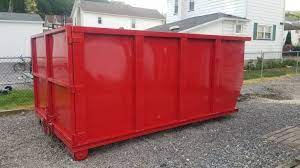
In this comprehensive guide, we’ll explore how haul-away dumpster rentals can streamline your home renovation project, why they are essential, how to choose the right service, and what to expect throughout the rental process.
Why Dumpster Rentals Are Essential for Renovation Projects
Renovating a home creates more debris than most homeowners anticipate. From broken tiles and drywall to discarded fixtures and packaging materials, the waste accumulates rapidly. Without a clear plan for disposal, you might find yourself overwhelmed by the sheer volume of junk. Traditional garbage collection services are often insufficient or restricted by weight and volume limitations, making them unsuitable for large renovation projects.
A haul-away dumpster rental provides a centralized location for all your renovation debris, keeping your worksite clean and organized. More importantly, it offers convenience, efficiency, and safety. Instead of making multiple trips to the landfill or dealing with unsightly waste piles on your property, a rental service brings a dumpster directly to your home and removes it once it’s full or the project is complete.
Choosing the Right Dumpster Size for Your Renovation
Selecting the right size dumpster is crucial to ensuring a smooth waste management process. Dumpster rental companies typically offer various sizes, often ranging from 10 to 40 cubic yards. A smaller 10-yard dumpster may suffice for a single-room remodel, such as a bathroom or kitchen. On the other hand, larger projects like full-home renovations or roof replacements might require 30 or 40-yard containers.
It’s wise to consult with the rental company and provide them with details about your project. They can recommend an appropriate size based on the type and quantity of materials you expect to discard. Opting for the right size prevents the inconvenience of overfilling or needing a second rental, both of which can disrupt your renovation timeline and add unnecessary costs.
What to Expect from the Dumpster Rental Process
The process of renting a haul-away dumpster is relatively straightforward but involves a few key steps. Once you’ve selected a service and chosen the right size, you’ll schedule a delivery date. The rental company will drop off the dumpster at a location on your property that you designate—usually the driveway or another flat, accessible area.
You’ll typically have the dumpster for a set rental period, ranging from a few days to a couple of weeks, depending on the company and your agreement. During this time, you can load the container with all non-hazardous renovation debris. It’s important to follow the company’s guidelines regarding what can and cannot be disposed of. Prohibited items usually include hazardous materials like paint, batteries, and asbestos.
Once the rental period ends or the dumpster is full, the company returns to haul it away. They handle the disposal and, where possible, recycling of the materials, ensuring the process is both efficient and environmentally responsible.
Tips for Maximizing Efficiency and Minimizing Costs
Proper planning can help you get the most out of your dumpster rental. Begin by scheduling the dumpster drop-off as close to your renovation start date as possible, ensuring that you’re not paying for unused time. Place the container in a location that’s easy to access but doesn’t block essential areas like garages or walkways.
Load the dumpster strategically, placing flat items like wood and drywall on the bottom and bulkier items on top to make the best use of space. Avoid overfilling or placing items above the rim, as this can result in additional fees or delays in pickup.
Also, be mindful of weight limits. Even if there’s still space in the container, exceeding the weight limit can lead to surcharges. Discuss these details with the rental provider upfront to avoid surprises on your final invoice.
Environmental Considerations
Responsible waste disposal is more important than ever. Many dumpster rental services today prioritize eco-friendly practices, diverting as much material as possible from landfills through recycling and proper sorting. If sustainability is a priority for you, ask your rental provider about their environmental policies and whether they can separate and recycle construction materials like metal, wood, and concrete.
Some services may offer separate containers for recyclable waste or work with local recycling centers to ensure compliance with environmental standards. Choosing a service with green practices supports broader sustainability goals and contributes to a cleaner community.
Read More